

Author: Mejor Vida Insurance Editorial Team
Reviewed by: Julie Braunsroth, Licensed Life & Health Insurance Agent
Quick Overview
This week: at the NAIC spring meeting, state regulators emphasized new work on artificial intelligence—including a fairness evaluation tool for insurer AI systems—with testing in 2026 and a path toward broader adoption. LIMRA and NAILBA reported that roughly half of surveyed large insurance marketing organizations already use AI tools such as ChatGPT. Separately, the NAIC closed public comment on indexed annuity illustrations as regulators look to reduce misleading hypothetical projections.
Additional reporting from the same cycle deepens the picture: the 2026 Spring National Meeting also surfaced a proposed AI vendor registry, evaluation pilots (with reported emphasis including life insurers), and attention to agentic AI and cybersecurity. Industry coverage ties outdated payment infrastructure to lapses and persistency risk. Finally, regulators are moving on misleading annuity performance illustrations (including Model 245), while AG 49-A revisions for indexed universal life illustrations took effect April 1, 2026 for new business.
1. Insurance Regulators Discuss Rules for Artificial Intelligence
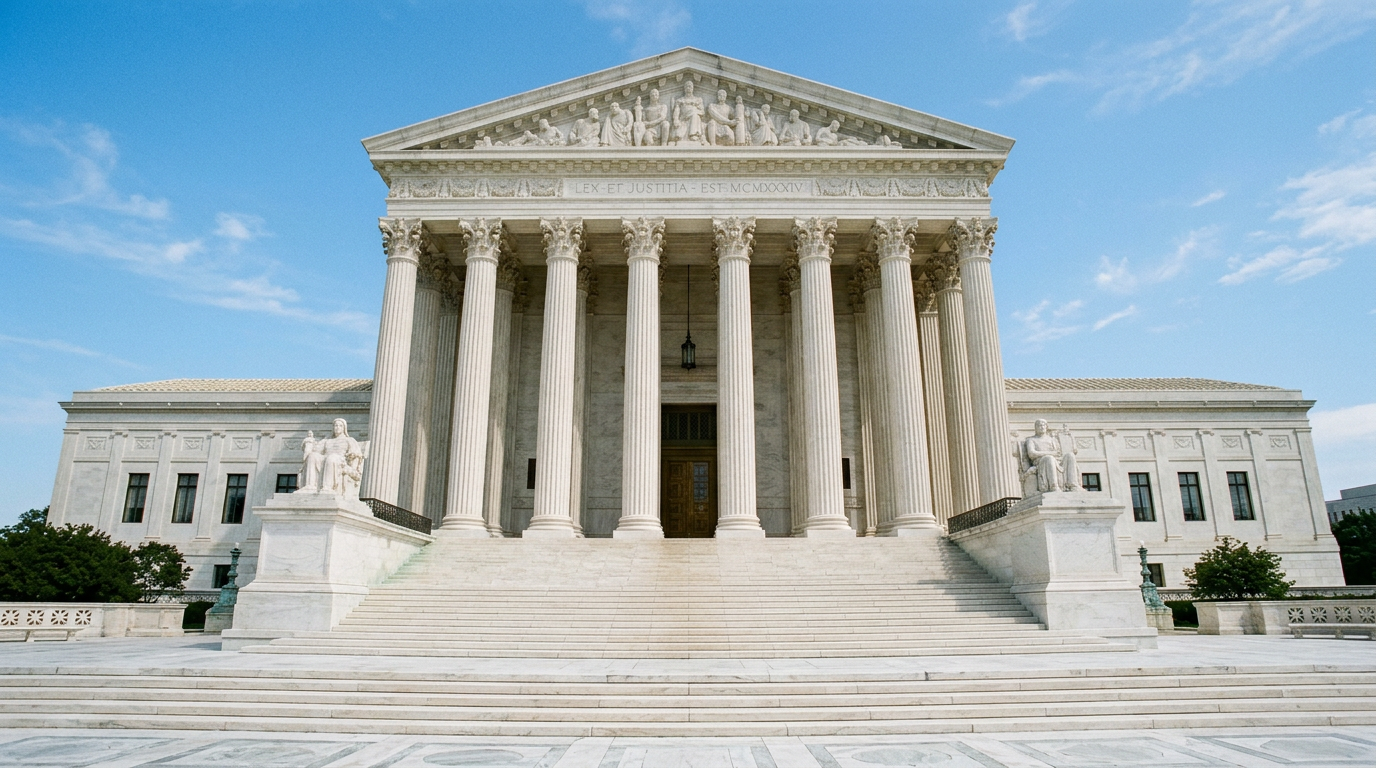
What happened. On March 23, 2026, the National Association of Insurance Commissioners (NAIC) met in San Diego. NAIC President Scott A. White underscored the need for clear expectations as carriers expand their use of artificial intelligence. The organization is developing a new tool to help regulators evaluate insurer AI systems for fairness and appropriate use, with testing planned during 2026 and a path toward formal adoption in the fall.
Why it matters. AI already shapes underwriting, pricing, and operations. Consistent regulatory review can reduce the risk of unfair or opaque decisions and help agents explain to clients how technology fits into the sales and service process.
Example. If an insurer deploys an AI model to triage applications, state reviewers could use the NAIC framework to verify that protected characteristics and proxy variables are not driving outcomes—and to document how adverse decisions are explained.
Background. State insurance departments have been studying AI for years; the spring meeting signals a move from discussion toward shared supervisory tools.
What's next. Pilot testing with select departments should produce feedback before wider rollout. Expect additional guidance on model governance, vendor oversight, and consumer disclosures in future NAIC workstreams.
Public reference: Evolving Marketplace, Continued State Leadership: NAIC President White 2026 Spring National Meeting Keynote (March 23, 2026).
2. Study Finds Half of Surveyed Distribution Groups Now Use Artificial Intelligence

What happened. LIMRA and NAILBA released research on March 26, 2026 examining technology use among large insurance marketing organizations (IMOs). More than 60 of the biggest distribution groups participated. About half reported they already use AI tools such as ChatGPT for marketing, training, or operations; roughly 18% plan to begin soon.
Why it matters. Faster drafting, quoting support, and client education can improve service—but accuracy, licensing, and compliance still rest with humans. Agents should treat AI output as a draft that requires verification against carrier materials and state rules.
Example. An advisor might use generative AI to compare term scenarios, then validate every figure with the carrier illustration system before presenting options to a family.
Background. The survey also noted many IMOs remain focused on growing sales of existing products—technology is supporting scale, not replacing relationship-based advice.
What's next. Expect broader adoption, tighter vendor integration, and more formal compliance policies as carriers react to both market demand and NAIC scrutiny of AI.
Public reference: Growth, Technology, and Scale Driving Intermediary Strategy (March 26, 2026).
3. Regulators Seek Input on Indexed Annuity Illustrations

What happened. On March 24, 2026, the NAIC concluded a public comment window on how insurers illustrate indexed annuities. Stakeholders worry some hypothetical charts show crediting scenarios consumers are unlikely to experience, which can inflate retirement income expectations.
Why it matters. Indexed annuities can play a useful role in retirement income planning, but illustrations must communicate caps, participation rates, spreads, and alternate scenarios—not only rosy headline returns.
Example. A client reviewing a $100,000 premium might see a roadmap assuming 15% annual index credit. Regulators may require side-by-side “moderate” or guaranteed minimum paths so shoppers understand a 5% illustration builds to roughly $127,628 after five years—still helpful, but far from doubling.
Background. Indexed annuities blend upside potential with downside protection; clear marketing aligns with the NAIC’s long-standing focus on suitability and truthful sales practices.
What's next. Staff will synthesize comments and propose revisions. Agents who lead with conservative numbers today will face fewer surprises when rules tighten.
Public reference: National Association of Insurance Commissioners—information compiled from public statements and meeting summaries, March 2026.
4. NAIC Spring Meeting: AI vendor registry, evaluation pilots, and agentic AI

What happened. Coverage of the NAIC’s 2026 Spring National Meeting (March 22–25, San Diego) highlights several concrete AI developments: a proposal to advance a registry for vendors supplying AI models and data to insurers (visibility for regulators; not described as a vendor “license” regime), pilot programs using an NAIC AI evaluation tool (with reported emphasis including life insurers), and focused discussion of agentic AI—systems that can take actions beyond generating text—as well as cybersecurity implications as AI accelerates threats.
Why it matters. Independent agents should expect carriers’ AI stacks—and third-party models behind underwriting and service—to face more structured supervisory attention. Transparency, documentation, and human oversight are recurring themes.
Example. If a carrier’s pricing or triage workflow depends on a vendor-built model, a registry-style approach helps regulators trace accountability across the chain—similar to how agencies already map critical third-party services.
Background. The NAIC’s Innovation/Cyber/Technology committee structure (including workstreams on big data/AI and cybersecurity) continues to shape model law and examination practices over multi-year cycles.
What's next. Industry commentary anticipates refinement of evaluation tools after pilots and potential broader vendor oversight discussions later in 2026—worth monitoring for life and annuity distribution.
Primary source: Alston & Bird — key AI, cybersecurity, and privacy takeaways from the NAIC 2026 Spring Meeting (April 1, 2026).
5. Outdated payment systems and life insurance persistency

What happened. Industry reporting frames a growing operational issue: legacy, fragmented billing infrastructure can increase failed payments and service friction—quietly hurting persistency at a time when carriers also face slower premium growth and higher expectations for digital self-service.
Why it matters. Billing is the most frequent touchpoint after the sale. When updating a bank account or fixing a decline is hard, policies can lapse for administrative reasons—not because the client stopped wanting coverage.
Example. Straight-through digital verification of a new bank account can prevent a gap that might otherwise trigger a lapse during a paper-heavy change process.
Background. Many carriers accumulated separate policy admin systems by product line over decades; modernization is capital-intensive but increasingly tied to retention metrics.
What's next. Agents can add value by walking clients through payment setup, checking for carrier digital payment options, and following up after NSF or card-expiry notices.
Primary source: PYMNTS — outdated payments and the life insurance experience (March 31, 2026).
6. Annuity illustrations, Model 245, and AG 49-A

What happened. Regulatory attention is intensifying on annuity performance illustrations that may present unrealistically strong long-run returns. Reporting points to NAIC work on Model 245 and “quick patch” options, plus parallel illustration tightening for indexed universal life (IUL) through AG 49-A—with AG 49-A revisions noted as effective for policies sold on or after April 1, 2026 in public coverage.
Why it matters. Clients often anchor on illustrated curves. If illustrations look like guarantees—or rely on intro rates carried across all years—expectations can drift far from realized performance.
Example. A side-by-side conservative scenario (or clearer renewal assumptions) can reduce the gap between what a chart implies and what a household should plan for in cash flow.
Background. Illustration rules sit at the intersection of consumer protection, carrier competitiveness, and agent sales practices—so changes tend to roll out with software updates and training cycles.
What's next. If you sell IUL, confirm illustration systems reflect AG 49-A requirements for new sales; if you sell annuities, watch state adoption paths for Model 245 changes after comment periods.
Primary source: ThinkAdvisor — NAIC and annuity performance illustrations (April 1, 2026).
Frequently Asked Questions
Final Thoughts
The March 29 – April 4, 2026 recap ties together AI supervision (evaluation tools, vendor visibility, pilots, and agentic AI risk), rapid generative-AI adoption in distribution, illustration integrity for indexed annuities and IUL (including Model 245 and AG 49-A), and billing experience as a retention lever. Agents should stay current on NAIC bulletins, document AI use in workflows, verify carrier materials, simplify payment setup, and lead client conversations with conservative, carrier-verified figures.